
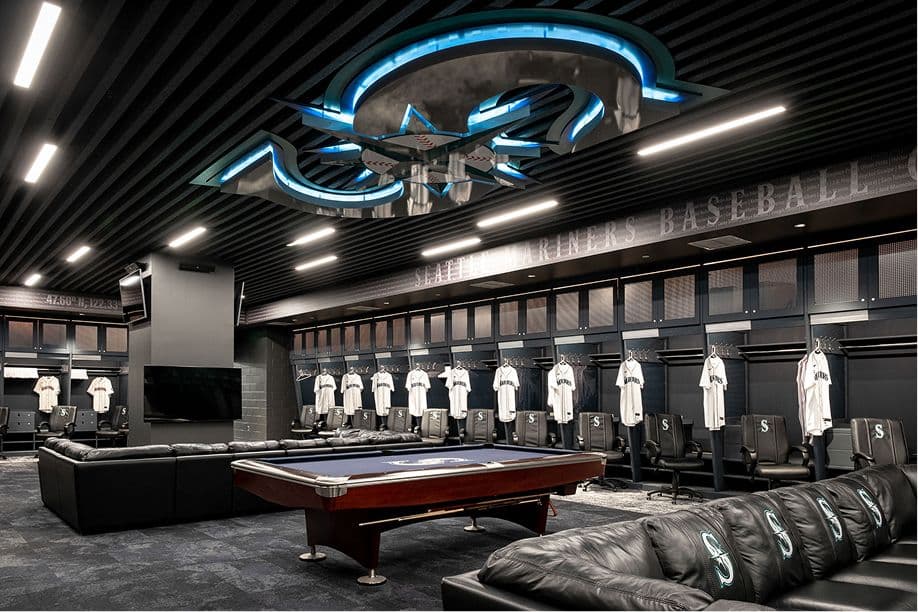
Seattle Mariners Clubhouse and Walk-Off Markets
Overview
Sample description
Challenge
A brand built on winning needed a headquarters that reflected its values while serving as a workplace magnet for new and existing talent.
Under Armour was born in Baltimore, built on the conviction that performance has no ceiling. Its original headquarters no longer reflected that ambition, so the company needed a new home on Baltimore Peninsula — one that could galvanize its workforce, connect to the city it came from, and demonstrate a serious commitment to sustainability.
The stakes were high: get this right, and the building becomes a symbol for the tenacity and winning standards represented by the brand and the city.
More about this topic
idea
What’s Next for Hotels and HospitalityChallenge
Facing a changing real estate landscape, new leadership, and a smaller footprint, the Urban Land Institute needed a workplace that reflected its evolving role as a forward-thinking industry leader.
Its previous headquarters no longer supported the level of collaboration, member engagement, or organizational agility required for the future. The challenge was to create a space that could unify teams, strengthen connections with members, and position ULI to lead through change while honoring its longstanding legacy.
Challenge
Facing a changing real estate landscape, new leadership, and a smaller footprint, the Urban Land Institute needed a workplace that reflected its evolving role as a forward-thinking industry leader.
Its previous headquarters no longer supported the level of collaboration, member engagement, or organizational agility required for the future. The challenge was to create a space that could unify teams, strengthen connections with members, and position ULI to lead through change while honoring its longstanding legacy.
Challenge
Facing a changing real estate landscape, new leadership, and a smaller footprint, the Urban Land Institute needed a workplace that reflected its evolving role as a forward-thinking industry leader.
Its previous headquarters no longer supported the level of collaboration, member engagement, or organizational agility required for the future. The challenge was to create a space that could unify teams, strengthen connections with members, and position ULI to lead through change while honoring its longstanding legacy.
Challenge
Facing a changing real estate landscape, new leadership, and a smaller footprint, the Urban Land Institute needed a workplace that reflected its evolving role as a forward-thinking industry leader.
Its previous headquarters no longer supported the level of collaboration, member engagement, or organizational agility required for the future. The challenge was to create a space that could unify teams, strengthen connections with members, and position ULI to lead through change while honoring its longstanding legacy.
Challenge
Facing a changing real estate landscape, new leadership, and a smaller footprint, the Urban Land Institute needed a workplace that reflected its evolving role as a forward-thinking industry leader.
Its previous headquarters no longer supported the level of collaboration, member engagement, or organizational agility required for the future. The challenge was to create a space that could unify teams, strengthen connections with members, and position ULI to lead through change while honoring its longstanding legacy.